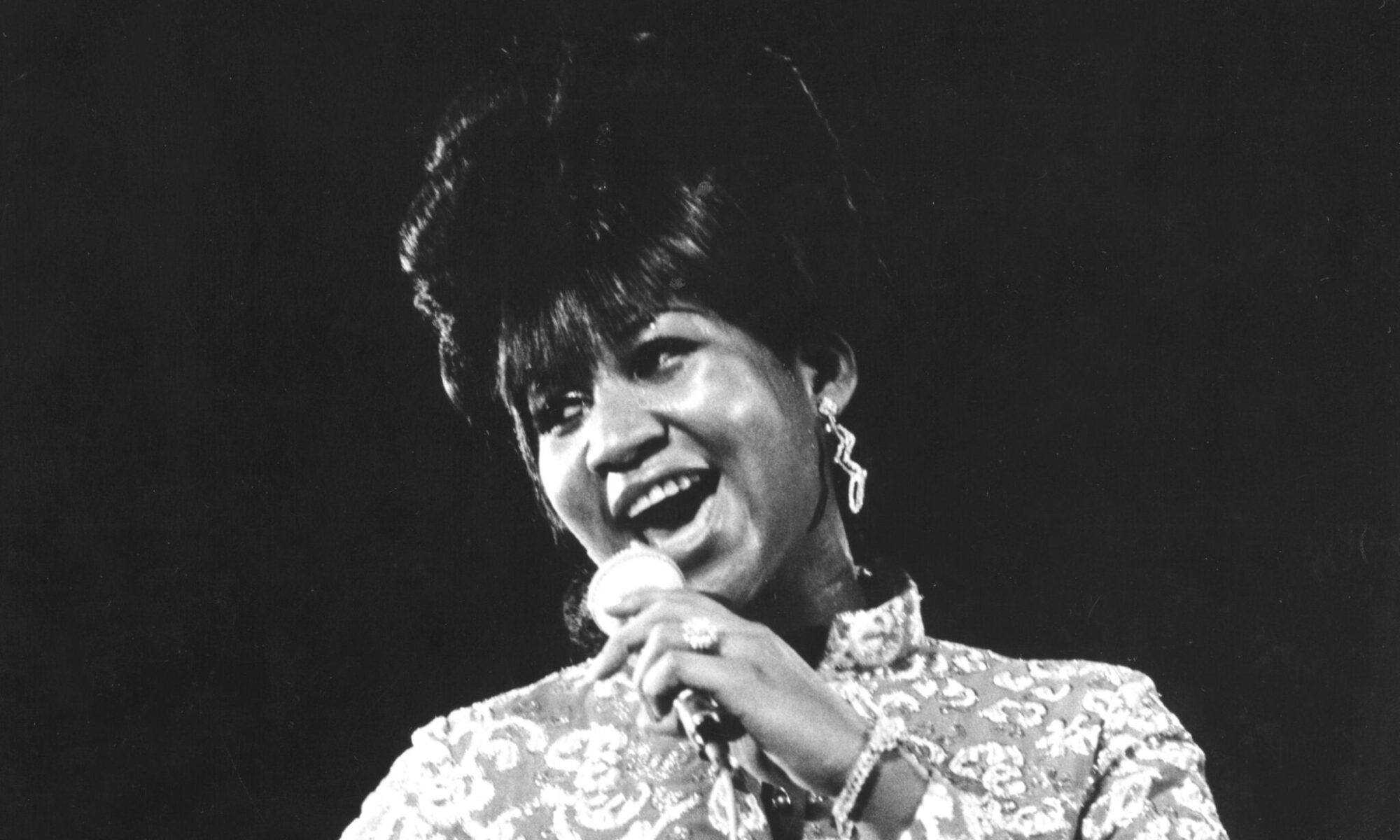
While its name suggests music for the masses, “pop” developed as a recognizable musical style in the mid twentieth century. Its catchy melodies, short song forms, and polished production are designed to appeal across age, race, and class lines. Drawing from earlier forms like Tin Pan Alley songwriting, rhythm and blues, and rock ’n’ roll, pop evolved through successive eras: from the vocal harmonies of the 1950s and Motown’s crafted hits in the 1960s, to the disco, synth, and MTV-driven aesthetics of the late 20th century. Today, pop continues to reinvent itself through digital platforms and global influences, reflecting both the commercial machinery of the music industry and the changing tastes of its audiences. Far from being a shallow or uniform style, pop’s long history reveals it as a flexible, dynamic genre that mirrors American cultural and technological change.
Read
There has been a formula to make them stick! Learn about the long history of the “song of the summer” and think about what makes a song catchy and memorable. Which is a pop song that defines summer for you?
Watch
Learn about the different sections that make pop songs. What is form in music?
Explore
Apply your understanding of the song form to the study of rock/pop structures
Test
Put your knowledge of song form to the test with completing the assignment below.
For a plus!
Pick an episode from the series from Switched On Pop on Listening to Britney Spears and write about what you learned about her sound. This one is my favorite part of the series!

