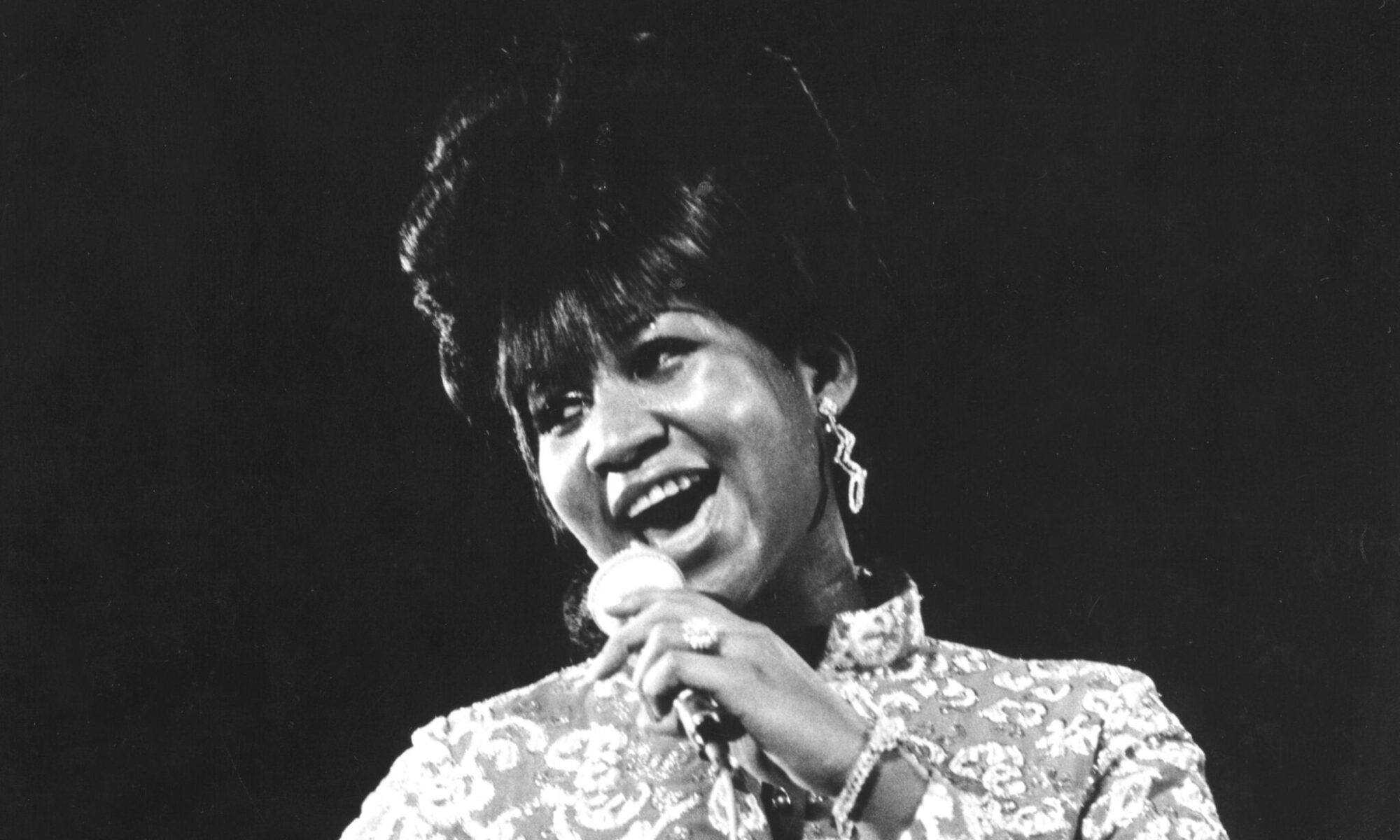
Jazz is often called “America’s music” because it grew out of the country’s unique blend of cultures, histories, and struggles. Emerging in the early 20th century, especially from African American communities in New Orleans, jazz combined elements of blues, ragtime, and spirituals with improvisation and new rhythmic feels. What makes jazz so important is not only its sound—full of swing, syncopation, and creativity—but also its influence: almost every style of American popular music, from rock to hip-hop, carries traces of jazz. To study jazz is to learn about innovation, resilience, and dialogue across communities, making it a central chapter in the story of American music.
Read
Learn about the main characteristics of jazz and some of its historical background with this chapter from the Open Educational Resource: Music, its Language, History and Culture.
Watch
The Smithsonian Jazz at the National Museum of American History explores and celebrates jazz as an important bridge between the United States’ identity, shared history, and communities. Learn more about it through this video they carefully curated.
Deepen your knowledge
Here is a helpful glossary with vocabulary pertaining to jazz that can help you deepen your engagement with this cultural practice. It was put together as part of an Educational Kit produced by the Smithsonian Jazz Masterworks Orchestra written by Luvenia A. George, and David N. Baker.
Explore
Learn how to listen to Duke Ellington and Benny Carter with these helpful guides from the National Museum of American History.

